


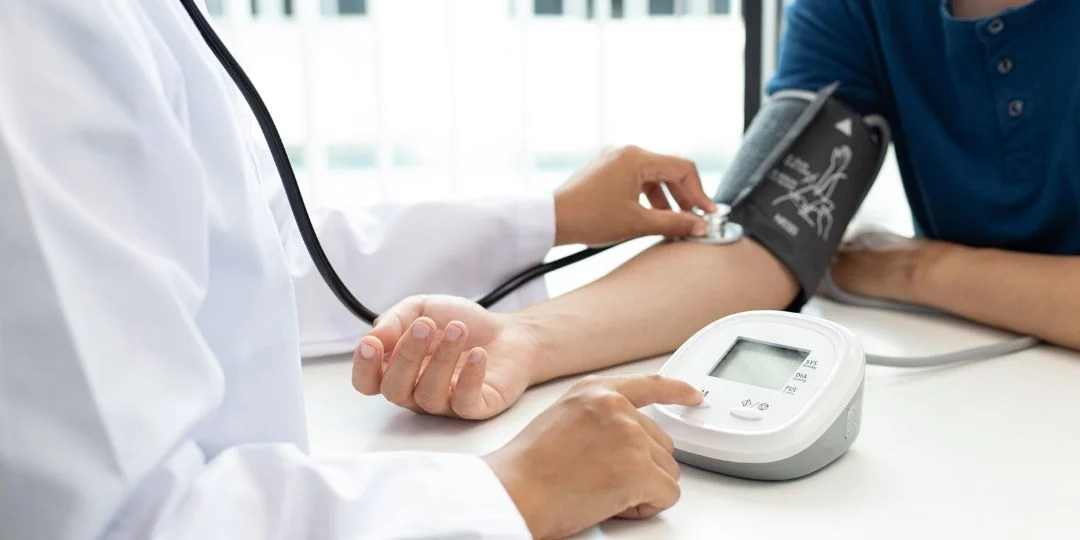
Anemia is not just one condition. There are many types of anemia, and each has a different cause. Some are common and easy to treat. Others are rare and need special care.
Knowing the type helps doctors choose the right treatment.
Iron Deficiency Anemia
Iron deficiency anemia is the most common type of anemia. It happens when your body does not have enough iron to make healthy red blood cells.
Iron is needed to make hemoglobin. Without it, oxygen cannot move well in your body.
Common causes
- Poor diet
- Blood loss (heavy periods, injury, surgery)
- Pregnancy
- Poor iron absorption
Symptoms
Iron deficiency anemia symptoms often start mild and get worse over time. These include:
- Tiredness
- Pale skin
- Shortness of breath
- Low iron symptoms like brittle nails or hair loss
Doctors often use blood tests like a CBC and iron studies to confirm this type.
Rare Anaemias
Some anemias are less common and linked to genetics or chronic illness.
EPO Deficiency Type of Anemia
EPO (erythropoietin) is a hormone made by the kidneys. It tells the body to make red blood cells.
- Low EPO levels can cause anemia
- Common in people with kidney disease
- Treated with EPO injections and iron
Type of Anemia in Hypothyroidism
People with hypothyroidism may develop anemia because the body slows down blood cell production.
This anemia may be caused by:
- Low iron
- Low vitamin B12
- Poor absorption of nutrients
Blood tests help doctors find the exact cause.
Type of Anemia in Multiple Myeloma
Multiple myeloma is a blood cancer that affects bone marrow.
- Bone marrow cannot make enough red blood cells
- Chronic inflammation also lowers blood production
- Anemia is common in advanced stages
Treatment focuses on managing the cancer and supporting red blood cell levels.
Sickle Cell Anemia
Sickle cell anemia is inherited and lifelong.
What type of mutation causes sickle cell anemia?
It is caused by a single gene mutation in the hemoglobin gene. This mutation changes the shape of red blood cells into a sickle or crescent shape.
These cells:
- Break easily
- Block blood flow
- Cause pain and infections
Types of Anemia and Blood Tests
Doctors use blood tests to identify anemia types.
| Blood Test | What It Shows |
| CBC | Red blood cell count and hemoglobin |
| Iron studies | Iron levels and storage |
| Vitamin B12 & folate | Vitamin-related anemia |
| Kidney tests | EPO-related anemia |
| Genetic tests | Inherited anemia like sickle cell |
FAQs
How do I know which kind of anemia I have?
Only a doctor can confirm the type. Blood tests help find the cause, severity, and best treatment.
What type of mutation causes sickle cell anemia?
Sickle cell anemia is caused by a gene mutation in hemoglobin, passed from parents to children.
Conclusion
Anemia is not a one-size-fits-all condition. Each type has its own cause, risks, and treatment. Understanding the different types of anemia helps you get the right care faster.
If you feel tired, weak, or short of breath, don’t ignore it. A simple blood test can help you take control of your health early.
If you suspect anemia or have ongoing symptoms, speak with a healthcare professional and request proper blood testing. Early diagnosis leads to better treatment and a healthier life.
Key Summary
- There are many types of anemia, not just iron deficiency
- Iron deficiency anemia is the most common
- Rare anemias can be linked to kidneys, thyroid, cancer, or genetics
- Blood tests are key to diagnosis
- Knowing the type leads to better treatment