


What Is a CBC Test and What Does It Mean?
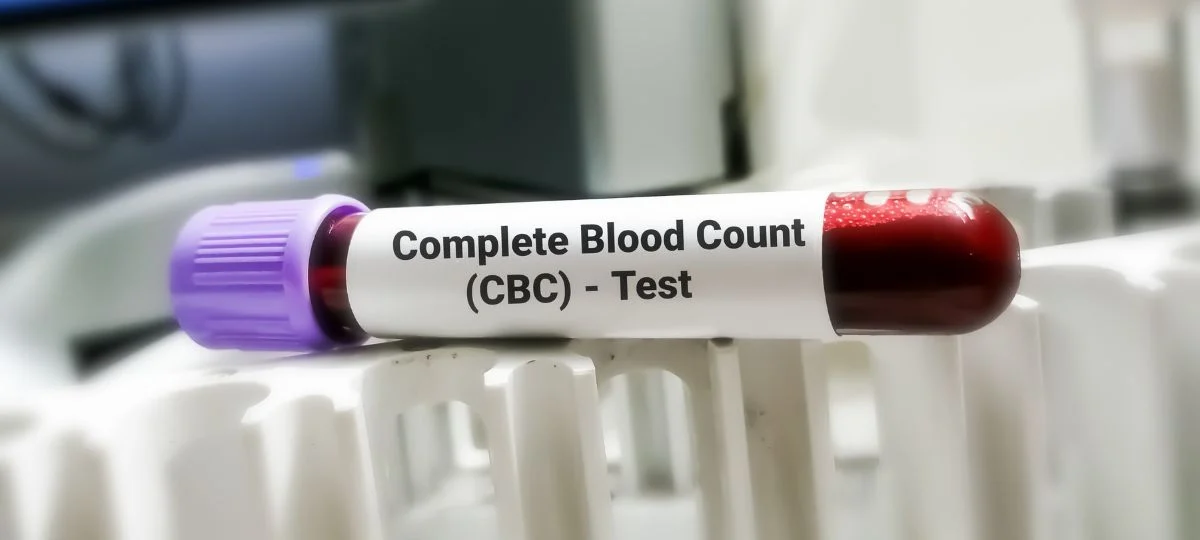
A CBC, or complete blood count test, is a routine blood test that evaluates the main cells in your blood. It provides a snapshot of your overall health and helps detect conditions like anemia, infection, or clotting disorders.
In some locations, including CBC Cyprus, it may be referred to as a panel full blood count. A CBC is often combined with other panels such as liver panel blood test, thyroid blood test panel, fertility blood panel, or rheumatoid blood panel for comprehensive assessment.
The Purpose of CBC
The primary purpose of a CBC is to evaluate blood cell levels and detect abnormalities early. Doctors use it to:
- Diagnose anemia, infections, or inflammation
- Monitor chronic conditions or treatment effects
- Track changes in blood counts during chemotherapy or other medical therapies (CBC blood test cancer)
- Screen for overall health in routine check-ups
Main Components the CBC Test Includes
A CBC measures three main groups of blood cells:
- Red Blood Cells (RBCs): Carry oxygen to tissues
- White Blood Cells (WBCs): Fight infections and regulate immunity
- Platelets: Help the blood clot and prevent bleeding
Each measurement provides specific insight into your health.
Complete Blood Count Test Results
Red Blood Cell Measurements
Red blood cells carry oxygen. CBC provides:
- RBC count: Number of red cells in a volume of blood
- Hemoglobin (Hb): Amount of oxygen-carrying protein
- Hematocrit (Hct): Percentage of blood volume made of red cells
- Mean corpuscular volume (MCV): Average size of RBCs
Abnormal RBC results may indicate anemia, dehydration, or vitamin deficiencies.
White Blood Cell Measurements
White blood cells fight infection and support immunity. CBC measures:
- Total WBC count
- Differential count (types of WBCs: neutrophils, lymphocytes, monocytes, eosinophils, basophils)
Changes in WBC count may signal infection, inflammation, autoimmune disorders, or blood cancers.
Platelet Measurements
Platelets prevent bleeding by forming clots. CBC measures:
- Platelet count
- Mean platelet volume (MPV)
Low platelet counts can cause easy bruising or bleeding. High counts may increase clotting risk.
How the Test Is Collected and Processed
A CBC is collected through a simple blood draw, usually from a vein in the arm. Samples are processed by automated machines in a laboratory for accurate cell counts. Results are often available the same day.
Taking a CBC
Before the Test
Preparation is usually minimal:
- Most CBC tests do not require fasting, but confirm if part of a larger panel.
- Stay hydrated; drink water to make veins easier to access.
- Inform your healthcare provider about medications or supplements.
During the Test
- A healthcare professional cleans the area and inserts a small needle into a vein.
- Blood is collected into tubes for analysis.
- The procedure takes only a few minutes.
- You may feel a brief pinch; mild discomfort or lightheadedness can occur but is temporary.
After the Test
- Apply pressure at the site to prevent bruising.
- Mild soreness or a small bruise is normal.
- Resume normal activities immediately.
- Eat and drink as usual.
- Contact your provider if you notice prolonged bleeding, swelling, or infection.
Purpose of the Test
A CBC helps your doctor assess your blood health and monitor conditions. When combined with other panels, such as thyroid blood test panel or fertility blood panel, it provides a comprehensive view of your health.
Conclusion
A CBC blood test is a critical tool in diagnosing and monitoring health. Proper preparation and understanding of the test can improve accuracy and comfort. RBC, WBC, and platelet measurements reveal essential information for managing your health effectively.
If you are scheduled for a CBC blood test, follow your healthcare provider’s instructions carefully. Ask questions about preparation or medications to ensure accurate results and effective health monitoring.
Key Summary
- CBC is a routine blood test measuring red cells, white cells, and platelets
- Preparation is minimal; hydration is important
- Results help diagnose anemia, infection, immune disorders, and monitor therapy
- Abnormal values guide further testing with additional panels
- Following before and after care instructions ensures accurate results