


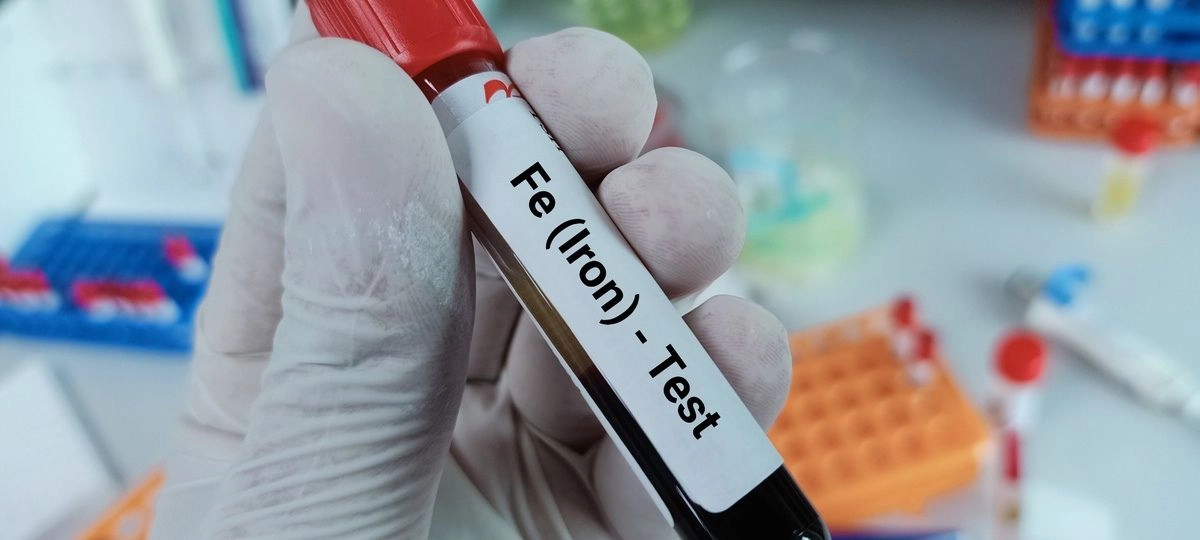
Anemia is a common blood condition that affects millions of people worldwide. It happens when your body does not have enough healthy red blood cells or hemoglobin to carry oxygen. A simple blood test can detect anemia early and help identify its type. Understanding how blood tests work is key to getting the right diagnosis and treatment.
What is an anemia blood test?
An anemia blood test checks if you have low red blood cells or low hemoglobin. Hemoglobin carries oxygen in your blood. When levels are low, your body does not get enough oxygen.
The main blood test for anemia is answered with a Complete Blood Count (CBC). This test measures:
- Hemoglobin (Hb)
- Hematocrit (Hct)
- Red blood cell (RBC) count
- Mean corpuscular volume (MCV)
Low hemoglobin confirms anemia. MCV helps doctors know the type.
Doctors may also order:
- Iron studies (serum iron, ferritin)
- Vitamin B12 level
- Folate level
- Reticulocyte count
Sometimes, a vitamin D deficiency blood test is done too. Low vitamin D does not cause anemia directly, but it may affect bone marrow and overall health.
Rare Anaemias
Some anaemias are rare and need special tests. These include:
- Aplastic anemia
- Hemolytic anemia
- Sickle cell anemia
- Thalassemia
These conditions may require:
- Peripheral blood smear
- Bone marrow biopsy
- Genetic testing
- Hemoglobin electrophoresis
Rare anaemias often need early diagnosis and specialist care.
Anemia Symptoms
Symptoms may be mild at first. They get worse if anemia becomes severe.
Common signs include:
- Tiredness
- Pale skin
- Shortness of breath
- Dizziness
- Fast heartbeat
- Cold hands and feet
Severe anemia may cause chest pain or fainting. If this happens, seek medical care.
Types of Anemia and Blood Tests
Blood tests not only confirm anemia. They also help detect the cause and other related illnesses. A Complete Blood Count (CBC) is the first step. It measures hemoglobin, red blood cells, white blood cells, and platelets. Changes in these values guide diagnosis.
Different blood patterns point to different types of anemia:
- Iron deficiency anemia – Low hemoglobin, low MCV, low ferritin
- Vitamin B12 deficiency anemia – High MCV with low B12 levels (may indicate pernicious anemia)
- Folate deficiency anemia – High MCV with low folate
- Aplastic anemia – Low red cells, white cells, and platelets
- Hemolytic anemia – High reticulocyte count, high bilirubin
- Sickle cell anemia – Abnormal hemoglobin on electrophoresis
- Thalassemia – Small red blood cells with abnormal hemoglobin pattern
Blood tests may also detect other medical conditions linked to anemia:
- Chronic kidney disease – Low erythropoietin causing normocytic anemia
- Chronic inflammatory disease – Normal or high ferritin with low iron
- Liver disease – Abnormal liver enzymes with large red blood cells
- Thyroid disorders – Thyroid imbalance affecting red cell production
- Hidden internal bleeding – Low iron with positive stool blood test
- Bone marrow disorders – Multiple low blood cell lines
In some cases, doctors may order a vitamin D deficiency blood test. While vitamin D deficiency does not directly cause anemia, low levels may affect bone marrow function and overall health.
These results help doctors choose the right treatment and detect serious illness early.
Further Tests for Anemia:
If the cause is unclear, more tests may be needed:
- Reticulocyte count (checks bone marrow response)
- Stool test for hidden blood
- Kidney function test
- Thyroid function test
- Inflammatory markers
These tests help find bleeding, chronic illness, or hormone problems.
FAQs
Can you test for anemia at home?
Home finger-prick kits can check hemoglobin. They give a quick result. However, they do not show the type of anemia. A full lab test is more accurate.
What levels indicate anemia?
Anemia is usually diagnosed when hemoglobin is below:
- 13 g/dL in adult men
- 12 g/dL in adult women
Normal levels may vary by lab. Your doctor will explain your result.
Conclusion
Blood tests are key in diagnosing anemia. A CBC is the first step. It shows if hemoglobin is low and suggests the type. Further tests confirm the cause. Early testing helps prevent serious problems.If you have symptoms like fatigue or dizziness, speak to your healthcare provider. A simple blood test can guide proper treatment.
Key Summary
- A CBC is the main test for anemia
- Low hemoglobin confirms anemia
- MCV helps identify the type
- Iron, B12, and folate tests find common causes
- Rare anaemias need special tests
- Blood tests can reveal other illnesses and vitamin deficiencies
- Early diagnosis improves outcomes