


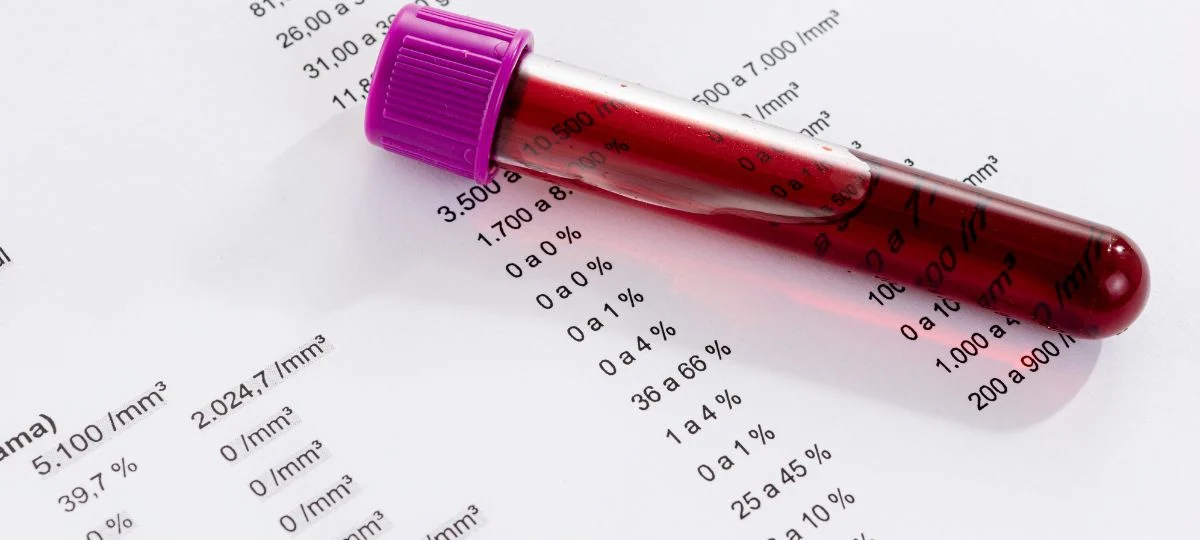
A Complete Blood Count, or CBC, is one of the most common lab blood tests in Cyprus and worldwide. It gives your doctor a detailed look at your blood and overall health. CBC tests measure red blood cells, white blood cells, hemoglobin, hematocrit, and platelets. Doctors use it to detect infections, anemia, blood disorders, and monitor ongoing treatments.
What is a Complete Blood Count (CBC)?
A CBC is a blood test that evaluates the main types of cells in your blood. Red blood cells carry oxygen, white blood cells fight infection, and platelets help your blood clot. A CBC gives a snapshot of how these cells are performing, which helps doctors detect early signs of disease or monitor chronic conditions.
What’s a CBC with a Differential?
A CBC with differential breaks down the types of white blood cells. It measures neutrophils, lymphocytes, monocytes, eosinophils, and basophils. This provides more detailed information about your immune system and helps detect infections, inflammation, and blood disorders.
When Do You Need a CBC Blood Test?
Doctors may order a CBC if you experience:
- Fatigue or weakness
- Frequent infections
- Unexplained bruising or bleeding
- Symptoms of anemia
- Monitoring of chronic illnesses or medications
Routine CBCs are also part of regular check-ups to ensure overall health.
What Does a CBC Blood Test Check For?
A CBC blood test checks for:
- Red blood cell counts: Oxygen transport issues or anemia
- White blood cell counts: Infections or immune system disorders
- Platelet counts: Blood clotting problems
- Hemoglobin and hematocrit: Blood oxygen levels and overall blood volume
Test Details
How Does a CBC Test Work?
A small blood sample is collected from a vein, usually in your arm. The sample is sent to the lab for analysis. Automated machines count the cells and measure hemoglobin, hematocrit, and other values. The results are returned to your doctor in a short time.
Red Blood Cell Counts
Red blood cells carry oxygen from your lungs to the rest of your body. The test measures:
- RBC count
- Hemoglobin level
- Hematocrit
- Mean corpuscular volume (MCV)
Low values may indicate anemia, while high values can indicate dehydration or other conditions.
Platelet Count
Platelets help your blood clot. Low platelet counts increase bleeding risk, while high counts may increase the risk of clot formation.
White Blood Cell Counts and Differentials
White blood cells fight infections. The differential shows the proportion of different types of white cells, which helps detect infections, inflammation, or immune disorders.
How Do I Prepare for a CBC Test?
Preparation is minimal. Most CBC tests do not require fasting. Drink water to stay hydrated, and let your doctor know about medications, supplements, or medical conditions that may affect results.
What Can I Expect During a CBC Test?
A healthcare provider will clean the area, insert a small needle, and collect the blood sample into a tube. The procedure takes a few minutes and may cause a slight pinch or mild discomfort.
What Can I Expect After a CBC Test?
After the draw, apply pressure to the site to prevent bruising. Mild soreness or a small bruise is normal. Resume normal activities immediately, unless your doctor advises otherwise.
Are There Risks or Side Effects to a CBC Test?
CBC tests are very safe. Risks are minimal but may include:
- Slight bruising at the needle site
- Mild discomfort during the draw
- Rarely, dizziness or fainting
Normal CBC Ranges for Adults
A Complete Blood Count (CBC) measures key components of your blood to help assess your overall health. Instead of listing ranges in paragraphs, the following table provides a clear and easy reference for adults:
| Component | Normal Range (Women) | Normal Range (Men) | Notes |
| Red Blood Cells (RBC) | 4.2–5.4 million/µL | 4.7–6.1 million/µL | Low RBC may indicate anemia; high may indicate dehydration or polycythemia |
| Hemoglobin (Hb) | 12–16 g/dL | 13–17 g/dL | Measures oxygen-carrying capacity of blood |
| Hematocrit (Hct) | 36–46% | 41–53% | Percentage of blood made up of red cells |
| White Blood Cells (WBC) | 4,000–11,000/µL | 4,000–11,000/µL | Low WBC may indicate immune deficiency; high may indicate infection or inflammation |
| Platelets | 150,000–450,000/µL | 150,000–450,000/µL | Helps blood clot; low count increases bleeding risk, high count may increase clot risk |
| Mean Corpuscular Volume (MCV) | 80–100 fL | 80–100 fL | Average size of red blood cells; helps classify anemia |
This table allows readers to quickly see what a normal CBC looks like and understand the significance of each component without reading long paragraphs.
When Should I Know the Results of a CBC Test?
Most results are available within a few hours to a day. Your doctor will review the results and explain if any follow-up is needed.
What Do Abnormal CBC Results Mean?
Abnormal results may indicate anemia, infection, immune disorders, or other blood-related conditions. Your doctor may order additional tests to determine the cause.
If the Results Are Abnormal, What Are the Next Steps?
Next steps may include:
- Repeat CBC to confirm results
- Iron studies, vitamin levels, or other lab tests
- Referral to a hematologist if needed
When Should I Call My Doctor?
Call your doctor if you notice symptoms like severe fatigue, unexplained bruising, persistent infections, or if your CBC results are significantly abnormal.
Additional Common Questions
Does CBC Show Kidney Function?
A CBC does not directly measure kidney function. Kidney health is assessed with tests like creatinine, BUN, and electrolyte panels. CBC may indirectly suggest issues if anemia is related to kidney disease.
If you are in Cyprus, CBC tests are widely available at labs and hospitals. Ensure you use a certified laboratory for accurate results.
Conclusion
A Complete Blood Count (CBC) is a simple, safe, and informative test that helps monitor overall health, detect blood disorders, and guide treatment. Knowing normal ranges and understanding what each measurement means helps you discuss results with your doctor and take an active role in your health.
Key Summary
- CBC measures red cells, white cells, platelets, hemoglobin, and hematocrit.
- Normal ranges vary by age, sex, and lab.
- Most adults do not need special preparation, except hydration.
- Abnormal results may require additional testing.