


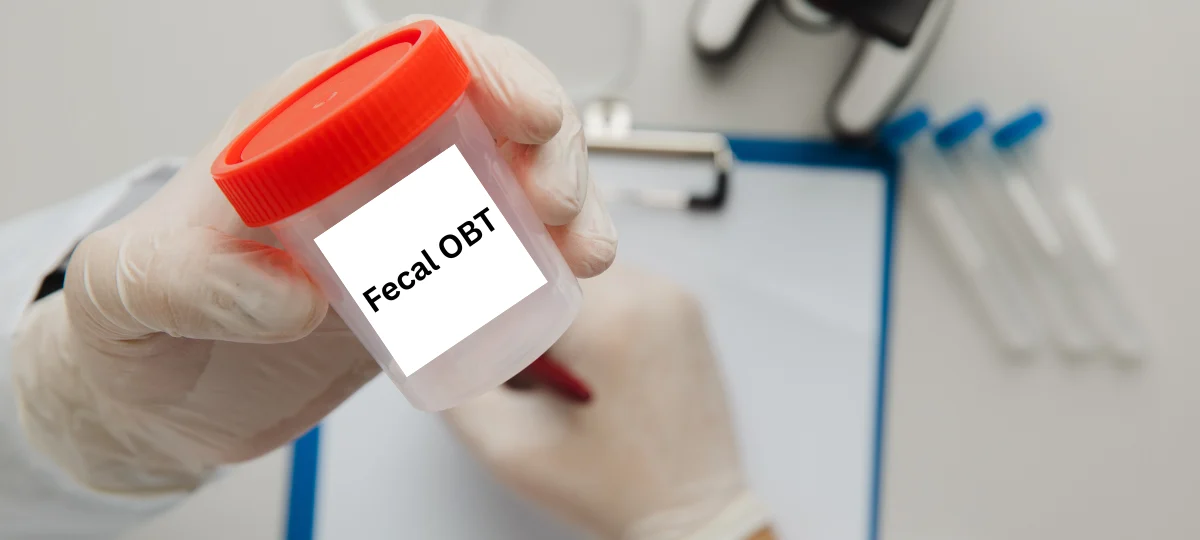
What Is Fecal Occult Blood (FOB)?
Fecal occult blood (FOB) refers to small amounts of blood in the stool that cannot be seen with the naked eye. The word “occult” means hidden. This means the blood is not visible but can still be detected through a test.
The fecal occult blood test (FOBT) is used to check for hidden blood in the stool. This test is important because blood in the stool may be an early sign of problems in the digestive system. These problems may include polyps, ulcers, inflammation, or colorectal cancer.
FOB testing is often used as a screening tool. It helps detect disease before symptoms appear. Early detection improves treatment outcomes and reduces complications.
In many cases, FOB testing is done along with other tests such as a blood test, including a Complete Blood Count (CBC). A CBC helps detect anemia, which may occur due to long-term blood loss in the digestive tract. Understanding what is a normal CBC blood test and reviewing a complete blood count normal ranges chart can help doctors assess if blood loss is affecting overall health.
How Is Fecal Occult Blood (FOB) Detected?
FOB is detected by testing a small stool sample. The sample is collected at home or in a clinical setting and then sent to a laboratory for analysis.
There are two main ways to detect fecal occult blood:
- Guaiac-based FOBT (gFOBT): Uses a chemical reaction to detect blood
- Fecal immunochemical test (FIT): Uses antibodies to detect human blood
The FIT test is more specific because it only detects blood from the lower digestive tract. This reduces false results from food or medication.
Common FAQs
What does a fecal occult blood test show?
A fecal occult blood test shows whether there is hidden blood in your stool. It does not diagnose a specific disease but indicates that further testing may be needed.
What is the purpose of a fecal occult blood test?
The main purpose is to screen for early signs of colorectal cancer and other digestive conditions. It is also used to investigate unexplained anemia or gastrointestinal symptoms.
Should I get a fecal occult blood test regularly?
Screening is often recommended for adults, especially those over 50 or with risk factors. Your doctor will advise how often you should take the test based on your health and family history.
Who performs a fecal occult blood procedure?
The test is simple and usually done at home using a test kit. A laboratory technician analyzes the sample, and a doctor reviews the results.
What are the types of fecal occult blood tests?
There are two main types:
- Guaiac-based FOBT (gFOBT)
- Fecal immunochemical test (FIT)
Some advanced tests may also combine stool DNA testing with blood detection.
Where can I get a fecal occult blood test kit?
Test kits are available in hospitals, clinics, and laboratories. Some pharmacies also provide home kits. Always follow instructions carefully to ensure accurate results.
How do I prepare for a fecal occult blood test?
Preparation depends on the type of test. For gFOBT, you may need to avoid certain foods and medications before testing. These include red meat, vitamin C supplements, and some pain relievers. FIT tests usually do not require dietary restrictions. However, always follow the instructions provided with your kit.
How does a fecal occult blood test work?
You collect a small stool sample using a kit. The sample is placed on a test card or container and sent to a lab. The lab checks for chemical or immune reactions that indicate the presence of blood.
When should I avoid doing a fecal occult blood test?
You should avoid testing if you have:
- Active hemorrhoids with bleeding
- Menstrual bleeding
- Recent dental procedures causing swallowed blood
- Recent use of certain medications that may affect results
These factors may lead to false-positive results.
What should I expect after a fecal occult blood test?
There is no recovery time needed. You can continue normal activities. Results are usually available within a few days, depending on the laboratory.
What are the risks of a fecal occult blood test? Are there side effects?
The test is safe and non-invasive. There are no direct risks or side effects. However, false-positive or false-negative results may occur, which is why follow-up testing is important.
When should I know the fecal occult blood test results?
Results are typically available within a few days. Your healthcare provider will explain the results and recommend next steps if needed.
What does a positive fecal occult blood test mean?
A positive result means that blood was detected in the stool. This does not always mean cancer. It may be caused by:
- Polyps
- Hemorrhoids
- Ulcers
- Inflammation
- Infection
Further tests, such as colonoscopy, are usually needed to find the exact cause.
When should I call my healthcare provider?
You should contact your doctor if you have:
- A positive FOB test result
- Ongoing abdominal pain
- Unexplained weight loss
- Changes in bowel habits
- Signs of anemia such as fatigue or weakness
These symptoms may require further evaluation.
Conclusion
Fecal occult blood (FOB) testing is a simple but important tool for early detection of digestive system problems. It helps identify hidden blood in the stool, which may be a sign of serious conditions such as colorectal cancer. When combined with other tests like a CBC blood test, it provides a more complete picture of your health.
Understanding how the test works, how to prepare, and what the results mean can help you take control of your health. Early screening and timely follow-up are key to preventing complications and improving outcomes.
Key Summary
- FOB means hidden blood in the stool
- The test helps detect early signs of digestive diseases
- It is simple, safe, and often done at home
- Positive results require further testing
- Regular screening improves early detection
- CBC blood tests may help detect anemia linked to blood loss