


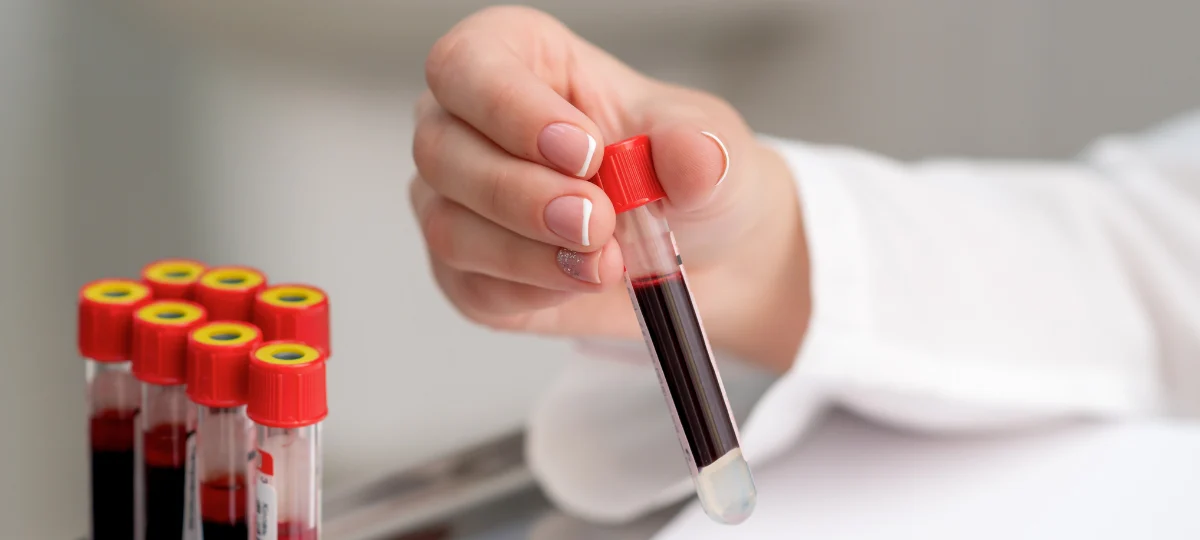
A full blood count (FBC), also called an fbc blood test, is one of the most common and important laboratory tests. It measures the different types of cells in your blood to give a clear picture of your overall health. Doctors use a full blood count fbc to detect infections, anemia, inflammation, and many other medical conditions.
An fbc test is simple, quick, and provides valuable information about how your body is functioning. It is often part of routine check-ups or used when symptoms such as fatigue, weakness, or unexplained illness are present.
Types of Blood Cells and Their Functions
Red Blood Cells
Red blood cells carry oxygen from your lungs to the rest of your body. They contain hemoglobin, which helps transport oxygen. A full blood count measures the number, size, and quality of these cells.
Low red blood cells may mean anemia, while high levels may suggest dehydration or other conditions. Monitoring red blood cells is essential for understanding energy levels and oxygen supply in the body.
White Blood Cells
White blood cells are part of your immune system. They help fight infections and protect the body from harmful bacteria and viruses.
An fbc analysis looks at the number of white blood cells and sometimes their types. Changes in these levels can indicate infection, inflammation, or immune disorders.
Platelets
Platelets help your blood clot and stop bleeding. A full blood count checks platelet levels to ensure proper clotting function.
Low platelets may increase the risk of bleeding, while high levels may increase the risk of clot formation. This makes platelet monitoring important for both safety and diagnosis.
Understanding Your Results
Understanding your full blood count interpretation is important for knowing what your results mean. Each component—red blood cells, white blood cells, and platelets—has a normal range. These ranges may vary slightly depending on age, sex, and laboratory standards.
Doctors do not rely on one result alone. Instead, they look at patterns in the fbc blood test and compare them with your symptoms, medical history, and other tests. This helps provide an accurate diagnosis and treatment plan.
Common Conditions Detected with an FBC Test
A full blood count fbc can help detect a wide range of health conditions. It is often the first step in diagnosing many illnesses.
Some common conditions include:
- Anemia
- Infections (bacterial or viral)
- Inflammatory conditions
- Blood disorders
- Immune system problems
- Certain cancers such as leukemia
Because it gives a broad overview of blood health, the fbc test is widely used in both routine screening and urgent medical care.
What the Test Measures
An fbc analysis measures several key components:
- Red blood cell count and hemoglobin
- White blood cell count
- Platelet count
- Hematocrit (percentage of red blood cells in blood)
- Cell size and variation
These measurements help doctors understand how well your blood is functioning and identify any abnormalities.
What Your Results Mean
Your full blood count interpretation depends on whether your results fall within the normal range. Normal ranges can vary slightly based on age, sex, and the laboratory used. Doctors do not look at one value alone—they assess all parts of the fbc blood test together, along with your symptoms and medical history.
Abnormal results do not always mean a serious illness. In many cases, they may be temporary or caused by minor conditions such as dehydration or infection. However, abnormal values often require further tests to confirm the cause and guide proper treatment.
If Your Red Blood Cells Are Low
Low red blood cells usually indicate anemia, which means your body is not getting enough oxygen. This can result from iron deficiency, vitamin B12 or folate deficiency, chronic diseases, or blood loss from injury or internal bleeding.
Common symptoms include fatigue, weakness, shortness of breath, dizziness, and pale skin. In more severe cases, it may affect heart function because the body tries to compensate for low oxygen levels. Identifying the cause is important, as treatment depends on whether the anemia is due to diet, chronic illness, or another underlying condition.
If Your Red Blood Cells Are High
High red blood cell levels may occur when the body produces more cells to compensate for low oxygen levels. This can happen in people who smoke, live at high altitudes, or have lung or heart conditions. Dehydration can also falsely increase red blood cell concentration.
In some cases, high levels may indicate a condition such as polycythemia, where the body produces too many red blood cells. This can thicken the blood and increase the risk of clotting, stroke, or heart problems.
If Your White Blood Cells Are High
High white blood cell counts often indicate that your body is fighting an infection. This may be caused by bacterial or viral infections, inflammation, or injury. It can also occur due to stress, certain medications, or immune system disorders.
In some cases, very high levels may be linked to more serious conditions such as blood disorders or leukemia. Doctors may request further tests, including differential counts, to determine the exact cause.
If Your White Blood Cells Are Low
Low white blood cells can weaken the immune system and increase the risk of infections. This may be caused by viral infections, autoimmune diseases, bone marrow disorders, or certain medications such as chemotherapy.
People with low white blood cell counts may get infections more easily and take longer to recover. Monitoring and identifying the cause is important to prevent complications and support immune function.
If Your Platelets Are High
High platelet levels may occur due to inflammation, infection, or recovery from blood loss. This is often temporary. However, persistently high platelet counts may indicate a bone marrow disorder.
High platelet levels can increase the risk of blood clots, which may lead to serious conditions such as deep vein thrombosis or stroke. Doctors may monitor levels closely and recommend further testing if needed.
If Your Platelets Are Low
Low platelet levels can affect the blood’s ability to clot properly. This may lead to symptoms such as easy bruising, frequent nosebleeds, bleeding gums, or prolonged bleeding from cuts.
Causes may include infections, autoimmune conditions, certain medications, or bone marrow problems. In severe cases, very low platelet levels can increase the risk of internal bleeding, which requires urgent medical attention.
FAQs
Where can I get a full blood count?
You can get a full blood count (FBC) at hospitals, clinics, and certified laboratories. If you are looking for reliable testing, Nonis Clinical Laboratory offers professional blood testing services, including full blood count tests, with accurate and timely results.
When is a full blood count used?
An fbc blood test is used during routine check-ups, when symptoms are present, or to monitor existing medical conditions. Doctors may also use it before surgery or during treatment to track progress.
How do I prepare for a full blood count?
Most fbc tests do not require special preparation. You can eat and drink normally unless your doctor advises otherwise. It is important to inform your doctor about any medications you are taking, as some may affect the results.
Conclusion
A full blood count (FBC) is a simple but powerful test that provides important information about your health. It helps detect a wide range of conditions, from anemia and infections to more serious diseases. Understanding your full blood count interpretation allows you to take an active role in your healthcare.
Regular testing, especially when recommended by y
Key Summary
- A full blood count (FBC) measures red cells, white cells, and platelets
- It is used to detect infections, anemia, and other health conditions
- Full blood count interpretation helps understand your results
- Abnormal results may require further testing
- The test is quick, safe, and widely available
- You can get tested at trusted labs like Nonis Clinical Laboratory