


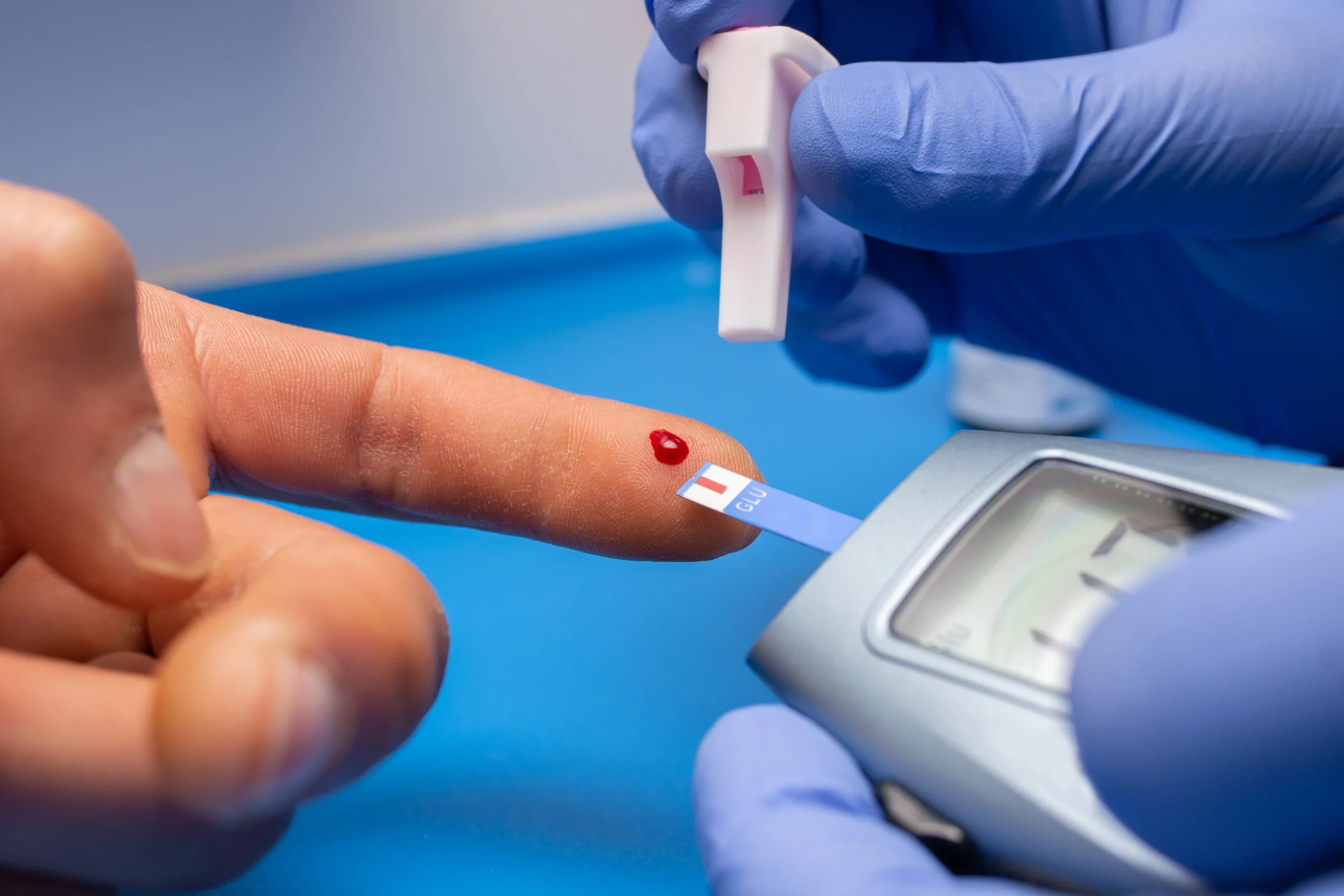
Blood glucose tests are important for checking how your body uses sugar for energy. They help detect conditions like diabetes, low blood sugar, and hyperglycemia early. By understanding your blood sugar levels and normal ranges, you can manage your health better and prevent serious complications.
Monitoring Your Blood Sugar
Monitoring your blood sugar is an important part of managing overall health, especially for people with diabetes or those at risk of hyperglycemia. The blood glucose test helps track how your body uses sugar (glucose), which is your main source of energy.
Glucose comes from food and is also produced by the liver. Hormones like insulin help control how much glucose stays in your bloodstream. When this balance is disrupted, blood sugar levels can become too high or too low.
Importance of Monitoring
Regular monitoring of blood sugar levels helps detect problems early and prevents complications. It allows patients and healthcare providers to adjust diet, medication, and lifestyle when needed.
Monitoring is especially important for people with diabetes, insulin resistance, or other metabolic conditions. It also helps reduce the risk of long-term complications such as nerve damage, kidney disease, and heart problems.
How to Monitor Blood Sugar
There are several ways to monitor blood glucose levels:
- Finger-prick glucose test: A small drop of blood is tested using a glucometer
- Laboratory glucose test: A more accurate glucose test done in a medical facility
- Continuous glucose monitoring (CGM): A small device tracks glucose levels throughout the day and night
The choice of method depends on medical needs, lifestyle, and doctor recommendations.
Benefits of Monitoring Blood Sugar
Regular monitoring provides many health benefits:
- Helps maintain a normal blood sugar level
- Detects early signs of hyperglycemia or low blood sugar
- Supports better treatment decisions
- Reduces risk of complications
- Improves long-term diabetes control
In some cases, doctors may also use dextrose during medical treatment to manage low blood sugar levels safely.
Blood Sugar Target Ranges
Understanding your target range is essential for proper control. A normal blood sugar level can vary slightly depending on age, health, and testing method.
General glucose normal range values are:
- Fasting blood glucose: 70–99 mg/dL (3.9–5.5 mmol/L)
- After meals: Less than 140 mg/dL (7.8 mmol/L)
- Random glucose test: Usually below 140 mg/dL
Doctors may also use blood glucose conversion charts to convert values between mg/dL and mmol/L depending on the country or lab system.
FAQs
How often should I check my blood sugar?
The frequency depends on your condition. People with diabetes may need to check several times a day, while others may only need occasional testing during routine check-ups or when symptoms appear.
When should I check my blood sugar?
Common times include:
- Before meals
- After meals
- Before bedtime
- Before and after exercise
- When feeling symptoms of low or high blood sugar
Regular timing helps track patterns and improve control.
When should I call my healthcare provider about my blood sugar level?
You should contact your doctor if your blood sugar levels are consistently too high or too low, or if you experience symptoms such as dizziness, confusion, extreme thirst, or fatigue.
When should I seek emergency care?
Seek emergency care if blood sugar becomes extremely high or low and causes symptoms like:
- Loss of consciousness
- Severe confusion
- Seizures
- Difficulty breathing
These may indicate a medical emergency requiring immediate treatment.
What should I ask my provider about blood sugar monitoring?
You may ask:
- What is my target glucose normal range?
- How often should I do a glucose test?
- Should I use continuous glucose monitoring?
- How do my medications affect blood sugar levels?
- What diet changes should I follow?
Conclusion
Monitoring blood sugar is essential for maintaining good health, especially for individuals at risk of diabetes or hyperglycemia. A blood glucose test helps track how your body processes sugar and ensures that your levels stay within a healthy range.
Understanding your results, following a balanced diet, and using proper monitoring tools such as continuous glucose monitoring can significantly improve long-term health outcomes. Regular testing and medical guidance help prevent complications and support stable energy levels.
Take control of your health by monitoring your blood sugar levels regularly. If you notice abnormal results, consult your healthcare provider for proper evaluation and management.
Key Summary
- A blood glucose test measures sugar levels in your blood
- Normal blood sugar levels vary but should stay within a healthy range
- Hyperglycemia occurs when blood sugar is too high
- Monitoring methods include finger-prick tests and CGM devices
- Diet, medication, and lifestyle affect glucose levels
- Some conditions like glucose 6 phosphate dehydrogenase deficiency may impact blood sugar balance
- Regular testing helps prevent complications