



Leaky gut syndrome is a condition linked to digestive health, inflammation, and immune system problems. It happens when the intestinal lining becomes damaged, allowing harmful substances to pass into the bloodstream. This may affect nutrient absorption, blood health, and overall wellbeing. Understanding the causes, symptoms, and available tests can help support early treatment and better long-term health.
What is Leaky Gut Syndrome?
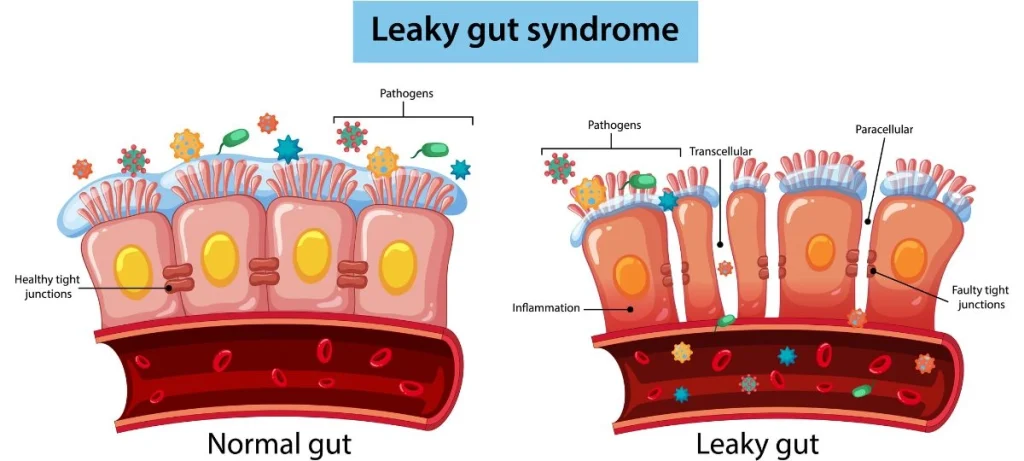
Leaky gut syndrome refers to increased intestinal permeability. The intestinal lining normally acts as a barrier that controls what enters the bloodstream. When this lining becomes damaged, toxins, bacteria, and partially digested food particles may leak through the intestinal wall.
This can trigger inflammation and may contribute to digestive problems, immune system reactions, and nutritional deficiencies. Although research is ongoing, many healthcare providers recognize that gut barrier damage can affect overall health.
Symptoms and Causes
The symptoms of leaky gut syndrome can vary from person to person. Some individuals experience digestive problems, while others develop fatigue, skin issues, or nutritional deficiencies. Common leaky gut syndrome symptoms include bloating, gas, diarrhea, constipation, abdominal discomfort, food sensitivities, headaches, and low energy levels.
The condition may develop due to several leaky gut syndrome causes, including poor diet, chronic stress, infections, alcohol use, smoking, and long-term use of certain medications such as antibiotics or NSAIDs. Autoimmune diseases and chronic inflammation may also damage the intestinal barrier.
Because the intestines absorb nutrients into the bloodstream, gut damage may affect iron, vitamin B12, and folate absorption, which can impact blood health and energy production.
Types and Causes of Leaky Gut Syndrome
Leaky gut syndrome may be linked to different underlying causes. Some cases are connected to inflammatory bowel conditions, while others develop due to food sensitivities or chronic lifestyle factors.
Possible contributing factors include:
- Diets high in processed foods and sugar
- Alcohol consumption
- Chronic stress
- Imbalance in gut bacteria
- Autoimmune conditions
- Food allergies or sensitivities
- Long-term medication use
Some researchers also study how blood type and your health may influence immune responses and digestive function, although evidence remains limited.
Management and Treatment
Managing leaky gut syndrome focuses on reducing inflammation, repairing the intestinal lining, and restoring healthy digestion. Treatment often combines dietary changes, lifestyle improvements, and supportive therapies.
Healthcare providers may recommend specific leaky gut syndrome supplements such as probiotics, zinc, digestive enzymes, L-glutamine, and omega-3 fatty acids. These supplements may support gut repair and improve microbiome balance.
Treatment plans should always be individualized because symptoms and triggers vary between patients.
Risk Factors for Leaky Gut Syndrome
Several factors may increase the risk of developing leaky gut syndrome. These include:
- Chronic stress
- Poor diet
- Smoking
- Excessive alcohol use
- Obesity
- Autoimmune disease
- Long-term medication use
- Chronic infections
People with inflammatory bowel disease, celiac disease, or chronic digestive issues may also have a higher risk.
Medical Tests for Diagnosing Leaky Gut Syndrome
A leaky gut syndrome test may involve several types of medical evaluations. No single test confirms the condition completely, so healthcare providers often combine different methods.
Tests may include:
- Blood tests to check inflammation and nutrient deficiencies
- Stool analysis to evaluate gut bacteria and infections
- Food sensitivity testing
- Intestinal permeability testing
- Vitamin and mineral testing
Blood tests are important because chronic intestinal damage may affect iron levels, vitamin absorption, and overall blood health.
Treatment for Leaky Gut Syndrome
Treatment focuses on healing the intestinal lining and reducing triggers that worsen inflammation. Successful leaky gut syndrome treatment usually combines nutrition, stress management, and lifestyle changes.
Dietary Changes
A healthy leaky gut syndrome diet is one of the most important parts of treatment. Removing processed foods, excess sugar, alcohol, and artificial additives may reduce intestinal irritation.
Many healthcare providers recommend a leaky gut syndrome diet plan rich in:
- Vegetables
- Fruits
- Lean proteins
- Bone broth
- Fermented foods
- Healthy fats
These foods support digestion and gut repair. Personalized leaky gut syndrome diet recommendations may also help identify trigger foods that worsen symptoms.
Lifestyle Changes
Lifestyle changes are essential for recovery. Stress reduction techniques such as meditation, deep breathing, and exercise may improve digestive health and immune function.
Getting enough sleep, staying hydrated, avoiding smoking, and limiting alcohol consumption also support gut healing. Many people searching for how to heal leaky gut syndrome fast benefit most from consistent long-term lifestyle improvements rather than short-term solutions.
Complications Related to Leaky Gut Syndrome
If left untreated, leaky gut syndrome may contribute to chronic inflammation, nutritional deficiencies, food intolerances, immune system dysfunction, and digestive disorders.
Poor nutrient absorption may also affect blood health and increase the risk of anemia, fatigue, and low energy levels. In some cases, ongoing inflammation may worsen autoimmune conditions or metabolic disorders.
How to Prevent Leaky Gut Syndrome?
1. Maintain a Balanced Diet
Eating whole foods rich in fiber, vitamins, and healthy fats supports intestinal health and reduces inflammation.
2. Limit Harmful Substances
Reducing processed foods, alcohol, smoking, and excess sugar may protect the intestinal lining.
3. Manage Stress Effectively
Stress management techniques such as yoga, meditation, and exercise may improve gut function and immune balance.
4. Establish Healthy Lifestyle Habits
Good sleep, hydration, and regular exercise support digestion and overall health.
5. Maintain Gut Microbiome Balance
Probiotics and fermented foods may help maintain healthy gut bacteria.
6. Avoid Smoking
Smoking increases inflammation and may worsen intestinal permeability.
7. Monitor Food Sensitivities
Identifying foods that trigger symptoms may reduce inflammation and digestive discomfort.
8. Regular Check-Ups
Routine healthcare visits and laboratory testing help detect nutritional deficiencies and digestive problems early.
When to See a Doctor for Leaky Gut Syndrome
Persistent Digestive Symptoms
Long-lasting bloating, diarrhea, constipation, or abdominal pain should be medically evaluated.
Food Intolerances or Allergies
Frequent reactions to foods may indicate underlying digestive or immune problems.
Signs of Nutritional Deficiencies
Fatigue, weakness, pale skin, or hair loss may suggest poor nutrient absorption.
Chronic Inflammation Symptoms
Joint pain, skin problems, or ongoing fatigue may be linked to chronic inflammation.
Autoimmune Conditions
People with autoimmune diseases should discuss digestive symptoms with their healthcare provider.
Mental Health Concerns
Chronic digestive issues may affect mood, anxiety, and mental wellbeing.
Severe or Sudden Symptoms
Severe pain, vomiting, bleeding, or sudden weight loss require urgent medical attention.
Ineffectiveness of Home Remedies
If symptoms continue despite lifestyle changes, medical evaluation is recommended.
What to Expect at the Doctor’s Visit
Your doctor may review symptoms, diet, medications, and medical history before recommending testing or treatment plans.
Diet Recommendations for Leaky Gut Syndrome
Breakfast
Oatmeal with berries, eggs, yogurt, or smoothies with healthy fats and fiber may support gut health.
Lunch
Lean proteins, vegetables, brown rice, and healthy oils provide balanced nutrition and reduce inflammation.
Dinner
Fish, chicken, steamed vegetables, soups, and whole grains are commonly included in a healthy leaky gut syndrome diet plan.
Snacks
Fresh fruits, nuts, seeds, and probiotic-rich foods may support digestion between meals.
Frequently Asked Questions
Is leaky gut syndrome dangerous?
It may contribute to inflammation, digestive issues, and nutritional deficiencies if untreated.
How to heal a leaky gut?
Treatment usually includes dietary changes, stress management, healthy lifestyle habits, and supportive supplements.
Can leaky gut syndrome cause anemia?
Yes. Poor nutrient absorption may lead to iron, folate, or vitamin B12 deficiencies that contribute to anemia.
How to test for leaky gut at home?
Home testing kits exist, but medical evaluation provides more reliable results.
Can leaky gut syndrome cause hair loss?
Yes. Nutritional deficiencies linked to poor absorption may contribute to hair thinning or hair loss.
Can leaky gut syndrome make you gain weight?
Chronic inflammation and digestive imbalance may affect metabolism and weight management.
Can leaky gut syndrome cause food allergies?
Increased intestinal permeability may increase sensitivity to certain foods.
Can leaky gut syndrome lead to diabetes?
Chronic inflammation may contribute to metabolic disorders, although more research is needed.
What is the fastest way to heal leaky gut?
There is no instant cure. Consistent dietary and lifestyle improvements provide the best long-term results.
How can I take care of my gut?
Eat balanced meals, stay hydrated, manage stress, avoid smoking, and seek medical care when symptoms persist.
Conclusion
Leaky gut syndrome may affect digestion, immune function, and blood health. Early recognition of symptoms and proper testing can help reduce complications and improve quality of life. A healthy diet, stress management, and medical support play important roles in recovery and long-term gut health.
Support your digestive and overall health with professional laboratory testing and medical guidance. Nonis Clinical Laboratory is your trusted partner in clinical diagnostics across Cyprus, providing accurate testing and reliable healthcare support for you and your family.