

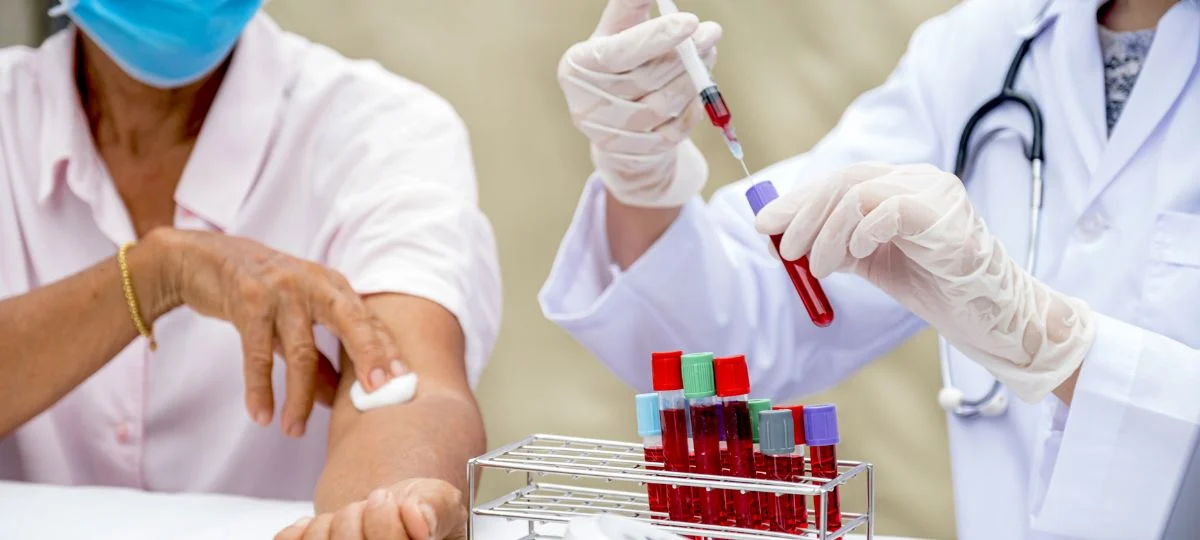
Blood collection is a routine medical procedure used to measure substances in your blood. These results help doctors diagnose conditions, monitor health, and guide treatment. Some tests require fasting because food or drinks can change blood levels and affect accuracy.
Before Blood Collection
What to Expect from a Blood Draw Procedure:
During a blood draw, a healthcare professional inserts a small needle into a vein, usually in the arm. The procedure takes only a few minutes. You may feel mild discomfort, but serious complications are rare.
Preparation Tips for the Day Before Your Blood Test
Proper preparation helps ensure reliable results. If your doctor requests a fasting blood test, you may be asked to stop eating for a set time before the test. This is common for cholesterol tests and fasting blood sugar test preparation.
Preparation may include:
- Avoiding food for the recommended fasting period
- Drinking plain water only
- Avoiding alcohol the day before testing
- Following specific instructions for medications
If you are unsure how long to fast for a blood test, always confirm with your healthcare provider.
Blood Collection Procedure
On the day of testing, arrive well-rested and hydrated. Fasting usually means no food, but many people ask, “fasting blood test can I drink water?” Plain water is generally allowed and helps prevent dizziness.
Remain seated during the draw and apply pressure afterward to reduce bruising.
Tips After Blood Collection
After your blood test, you can usually return to normal activities. Eating a balanced meal can help restore energy. Mild soreness or bruising at the site is normal and should fade within a day or two.
Seek medical help if you notice swelling, ongoing pain, or signs of infection.
FAQs
How long do you have to fast for blood test?
Most fasting blood tests require 8 to 12 hours of fasting. The exact time depends on the test ordered.
Can I drink water when fasting for blood test?
Yes. Plain water is allowed and encouraged. Avoid coffee, tea, juice, or sweetened drinks.
Can I take my medicines when I’m fasting?
This depends on the medication. Some medicines must be taken as usual, while others may affect test results. Always ask your doctor can I take medication before a fasting blood test.
Can I fast if I have diabetes?
People with diabetes should not fast without medical advice. Adjustments may be needed to prevent low blood sugar.
Can I fast if I am pregnant or breastfeeding?
Fasting may not be recommended. Always inform your healthcare provider so safe alternatives can be arranged.
Why do you have to fast for blood work?
Fasting prevents food from altering blood sugar, fat levels, or hormone readings. This improves test accuracy.
Conclusion
Preparing correctly for a blood test is essential for accurate results. Understanding fasting rules, medication use, and hydration helps reduce errors and protects your health. Always follow medical advice and ask questions if instructions are unclear.
If you are scheduled for a blood test and are unsure about fasting or medications, contact your healthcare provider before testing. Clear preparation leads to clearer results and better care.
Key Summary
- Fasting is required for some blood tests
- Plain water is usually allowed during fasting
- Medication use should be confirmed with a doctor
- Special conditions need tailored instructions
- Proper preparation improves test accuracy