

COVID-19 testing remains an important tool for detecting infection, protecting vulnerable individuals, and reducing the spread of illness. Today, the two most common testing methods are the PCR test and the rapid antigen test. While both are used to detect COVID-19, they work differently and have unique advantages and limitations.
If you are searching for a rapid test today, PCR test Cyprus, or wondering which test is best for your situation, understanding the differences can help you make an informed decision.
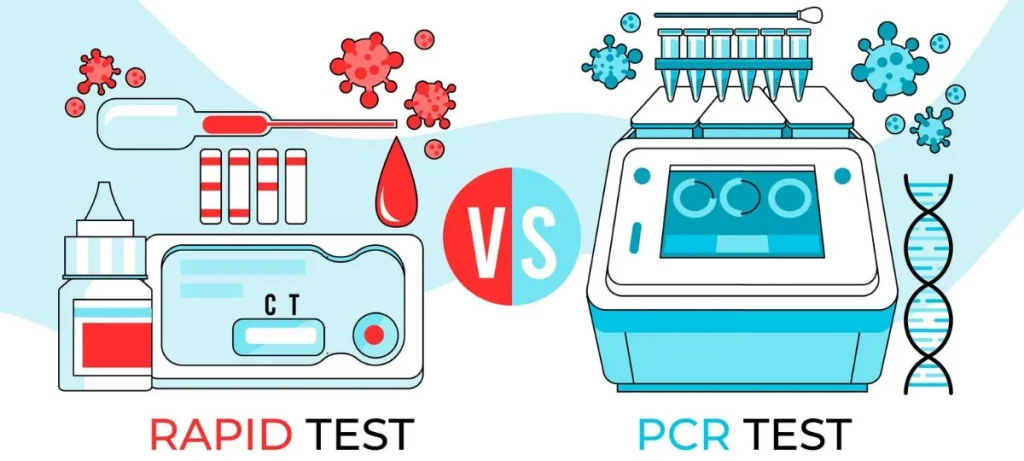
PCR vs. Rapid COVID-19 Test: What’s the Difference?
Both PCR and rapid antigen tests are designed to identify active COVID-19 infections, but they use different technologies.
A PCR test looks for the genetic material of the virus and is considered the most sensitive method available. It can often detect infection before symptoms appear and may identify very small amounts of the virus.
A rapid antigen test looks for proteins found on the surface of the virus. Results are available much faster, but the test may be less sensitive, especially during the early stages of infection.
The best test depends on your symptoms, exposure history, timing, and testing needs.
When to Test for COVID
Testing is recommended if:
- You have symptoms of COVID-19
- You have been exposed to someone with COVID-19
- You need testing for travel, work, or school
- You are attending large gatherings
- Your healthcare provider recommends testing
The timing of testing is important. Testing too early after exposure may produce a negative result even if infection is present.
Types of COVID-19 Tests
The main types of COVID-19 testing include PCR tests, antigen tests, and antibody tests.
PCR Test
A PCR test Cyprus service is commonly used when the highest level of accuracy is needed.
How It Works
PCR stands for Polymerase Chain Reaction. The test detects the genetic material of the COVID-19 virus. A sample is collected from the nose or throat and analyzed in a laboratory.
Because the technology amplifies small amounts of viral material, PCR testing can identify infections even when viral levels are low.
Benefits
PCR testing offers several advantages:
- Highest accuracy among COVID-19 tests
- Detects infection early
- Lower risk of false-negative results
- Suitable for travel and official documentation requirements
Drawbacks
PCR testing also has limitations:
- Results usually take longer
- Laboratory processing is required
- Typically more expensive than rapid tests
- May detect viral material after recovery
Antigen Test
Rapid antigen testing is widely used because of its speed and convenience.
How It Works
The antigen test detects proteins from the COVID-19 virus using a nasal swab sample. Results are usually available within 15 to 30 minutes.
Many people searching for rapid test Limassol, rapid test Nicosia, rapid test Paphos, or rapid test choose this option when immediate results are needed.
How to Use a Rapid Test
The testing process is simple:
- Collect the sample using the provided swab.
- Place the sample into the testing solution.
- Apply the solution to the test device.
- Wait for the specified time.
- Read the results according to the instructions.
When performed by trained healthcare professionals, rapid tests can provide reliable screening results.
Benefits
Rapid tests offer several advantages:
- Fast results
- Lower cost
- Convenient testing
- Useful for screening before gatherings or travel
Many people looking for rapid test Limassol today, rapid test Nicosia today, or rapid test Larnaca today choose rapid testing because of its speed.
Drawbacks
Rapid antigen testing has some limitations:
- Less sensitive than PCR testing
- Higher chance of false-negative results
- May miss very early infections
- Accuracy depends on timing and sample collection
Antibody Testing
Antibody tests are different from PCR and antigen tests because they do not detect active infection.
Instead, they look for antibodies produced by the immune system after exposure to COVID-19 or vaccination. These tests help determine whether a person has had a previous immune response to the virus.
Antibody testing is not used to diagnose current COVID-19 infection.
COVID-19, Flu, RSV, Cold or Allergies? How to Tell the Difference
Many respiratory illnesses share similar symptoms, making it difficult to know the cause without testing.
| Condition | Common Symptoms |
| COVID-19 | Fever, cough, fatigue, sore throat, loss of taste or smell |
| Flu | Fever, body aches, chills, fatigue |
| RSV | Cough, congestion, breathing difficulties |
| Common Cold | Runny nose, sneezing, mild cough |
| Allergies | Sneezing, itchy eyes, runny nose without fever |
Because symptoms often overlap, a COVID test Cyprus service may be necessary for accurate diagnosis.
FAQs
Which Type of COVID Test Is Most Accurate?
PCR testing is widely considered the most accurate test for detecting an active COVID-19 infection. It identifies the genetic material of the virus and can often detect infection even when the amount of virus in the body is very low.
Because of its high sensitivity, a PCR test can sometimes detect COVID-19 earlier than a rapid antigen test. It is often recommended when symptoms are present, after a known exposure, or when an official result is required for travel, work, or medical purposes.
Rapid antigen tests are still valuable because they provide quick results, but they may be less accurate during the early stages of infection or when viral levels are low.
When Should I Get a PCR Test?
A PCR test is usually recommended when a highly accurate result is needed. You may consider getting a PCR test if:
- You have COVID-19 symptoms such as fever, cough, sore throat, or loss of taste and smell
- You have recently been exposed to someone who tested positive
- A rapid test result is positive and requires confirmation
- A rapid test result is negative, but symptoms continue
- You need testing for travel, work, or medical procedures
- Your healthcare provider specifically recommends it
If you have been exposed to COVID-19 but do not have symptoms yet, waiting a few days before testing may improve accuracy. Testing immediately after exposure can sometimes result in a false-negative result.
How Do I Know Which Test I Should Take?
The right test depends on your situation.
A rapid antigen test is often a good choice when you need fast results or are doing routine screening before work, travel, or social events.
A PCR test is generally the better option if:
- You have symptoms
- You have had close contact with a confirmed case
- You need the most accurate result possible
- You require official documentation for travel or healthcare purposes
If you are unsure which test to take, speaking with a healthcare provider can help determine the best option based on your symptoms and exposure history.
When Should I Get Tested?
Testing is recommended whenever you develop symptoms that could be related to COVID-19.
Common symptoms include:
- Fever
- Cough
- Sore throat
- Runny nose
- Fatigue
- Body aches
- Loss of taste or smell
If you have been exposed to someone with COVID-19, testing several days after exposure often provides more reliable results than testing immediately.
You may also need testing before travel, medical procedures, or visits to high-risk individuals.
How Reliable Are At-Home Tests?
At-home rapid tests can be a useful tool for detecting COVID-19, especially when symptoms are present. However, they are generally less sensitive than laboratory-based PCR tests.
Several factors can affect accuracy, including:
- Timing of the test
- Proper sample collection
- Following instructions correctly
- Stage of infection
If an at-home test is negative but symptoms continue, repeating the test after 24 to 48 hours or obtaining a PCR test may provide a more accurate answer.
If My Test Result Is Positive, What Should I Do?
A positive result means the virus has likely been detected and you may be contagious.
If you test positive:
- Stay home and limit contact with others.
- Follow current public health recommendations.
- Inform recent close contacts if appropriate.
- Monitor your symptoms carefully.
- Stay hydrated and get plenty of rest.
Seek medical attention immediately if you develop:
- Difficulty breathing
- Chest pain
- Confusion
- Severe weakness
- Blue or gray lips or skin
Most people recover at home, but high-risk individuals should contact a healthcare provider for advice as soon as possible.
If My Test Result Is Positive, When Should I Retest?
Retesting depends on the reason for testing and current public health recommendations.
In many cases, immediate retesting is not necessary after a positive result because the infection has already been confirmed.
You may need to retest:
- Before returning to work or school
- Before visiting vulnerable individuals
- If required by travel regulations
- If advised by a healthcare provider
Some individuals may continue to test positive for a period of time after recovery, especially with PCR testing, even when they are no longer contagious.
If My Test Result Is Negative, Does That Mean I’m Good to Go?
Not necessarily.
A negative result means the test did not detect the virus at the time of testing. However, it does not completely rule out infection.
You could receive a false-negative result if:
- You tested too early after exposure
- The sample was not collected properly
- Viral levels were too low to detect
If symptoms develop later or exposure risk remains high, repeat testing may be necessary.
Continue monitoring your health and follow public health recommendations if you have ongoing concerns.
If I Have Symptoms, but My Test Was Negative, What Should I Do?
If you have symptoms but your test is negative, do not assume you are completely free of infection.
You should:
- Monitor symptoms closely
- Limit close contact with others if possible
- Repeat testing after 24 to 48 hours
- Consider a PCR test for confirmation
- Contact your healthcare provider if symptoms worsen
It is also important to remember that symptoms may be caused by other illnesses such as influenza, RSV, the common cold, or other respiratory infections.
Why Are Testing and Vaccination Still Important?
Testing and vaccination continue to play important roles in protecting public health.
Testing helps:
- Identify infections early
- Reduce the spread of illness
- Protect vulnerable individuals
- Guide treatment decisions
Vaccination helps:
- Reduce the risk of severe illness
- Lower the chance of hospitalization
- Decrease the risk of serious complications
- Protect high-risk populations
Together, testing and vaccination provide important layers of protection that help individuals, families, and communities stay healthy.
Conclusion
Both PCR and rapid antigen tests play important roles in COVID-19 detection. PCR testing offers the highest accuracy and is ideal when confirmation is required. Rapid testing provides fast and convenient results for screening and routine monitoring.
Choosing the right test depends on your symptoms, timing, exposure risk, and testing requirements. Understanding the strengths and limitations of each option helps ensure accurate results and better health decisions.
If you need reliable COVID-19 testing, whether for travel, work, screening, or peace of mind, Nonis Clinical Laboratory is your trusted partner in clinical diagnostics across Cyprus. With professional laboratory services and experienced healthcare teams, Nonis Clinical Laboratory provides accurate testing and dependable healthcare support throughout Cyprus.