

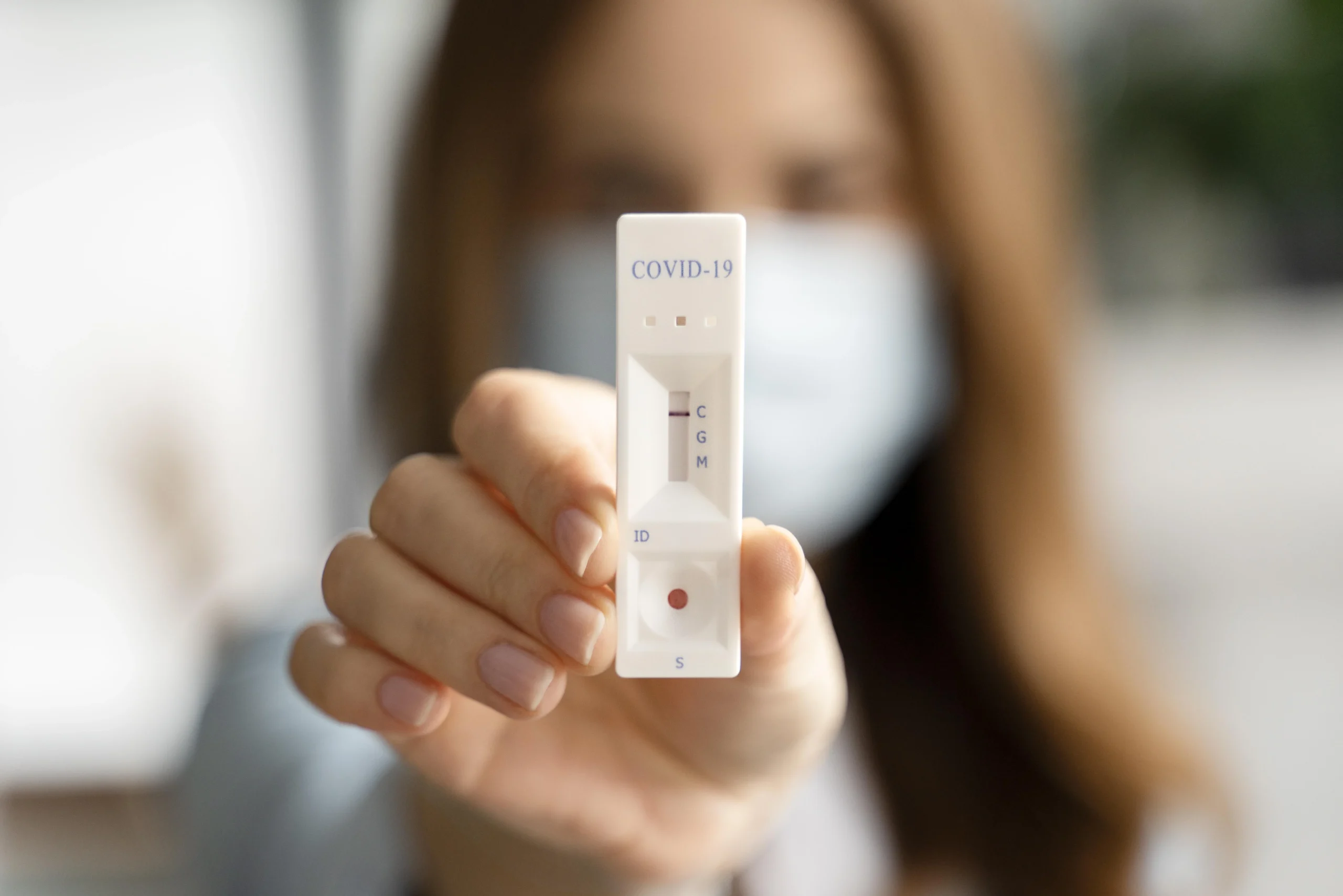
Getting tested for COVID-19 remains an important step in protecting yourself and others. Whether you need testing because of symptoms, recent exposure, travel requirements, or workplace policies, knowing how to prepare can help ensure your results are as accurate as possible.
A rapid antigen test is simple, fast, and widely available across Cyprus. However, following the correct preparation steps before your appointment can reduce the risk of inaccurate results and make the testing process smoother. In this guide, you’ll learn how rapid testing works, how to prepare, what your results mean, and where you can get tested throughout Cyprus.
What Is a Rapid Antigen Test?
A rapid antigen test is a diagnostic test used to detect proteins from the virus that causes COVID-19. Unlike laboratory-based PCR tests, rapid antigen tests provide results within a short period, often in 15 to 30 minutes.
Healthcare professionals usually collect a sample using a swab from your nose or throat. The sample is then placed into a testing solution and applied to a test device that detects viral antigens. If enough viral proteins are present, the test will produce a positive result.
Rapid tests work best when a person has symptoms or when the amount of virus in the body is high. Although they are not as sensitive as PCR tests, they remain an effective tool for quickly identifying people who may be contagious.
Across Cyprus, rapid testing continues to support early detection, helping reduce the spread of COVID-19 in workplaces, schools, healthcare facilities, and the wider community.
Why Use One?
Rapid antigen testing offers several advantages for individuals who need quick answers about their COVID-19 status. It is commonly used for routine screening, workplace requirements, travel in certain situations, and testing after exposure to someone with COVID-19.
Some of the main benefits include:
- Fast results, usually within 15 to 30 minutes.
- No laboratory processing required.
- Convenient testing at approved healthcare facilities.
- Helps identify infectious individuals quickly.
- Supports early isolation when necessary.
- Useful for reducing the spread of infection in the community.
Although rapid tests are highly useful, they should always be interpreted alongside symptoms, exposure history, and advice from a healthcare provider.
Which Test Should You Use?
The best COVID-19 test depends on why you are being tested.
A rapid antigen test is often suitable if you:
- Need results quickly.
- Have mild symptoms that started recently.
- Need routine workplace screening.
- Are testing before visiting family or vulnerable individuals.
- Need a same-day result where accepted.
A PCR test may be the better choice if:
- You have symptoms but your rapid test is negative.
- Your healthcare provider recommends confirmatory testing.
- You require the highest level of diagnostic accuracy.
- Your destination or employer specifically requests a PCR result.
If you are unsure which test is right for your situation, speaking with a healthcare professional can help you make the right decision.
How to Prepare Before Your Rapid Test
Preparing for your rapid test is simple, but following a few basic steps can improve the testing experience and help ensure accurate results.
Testing Before Travel
Many travelers require COVID-19 testing before departure or upon arrival, depending on the destination’s entry requirements. Before booking your appointment, check the latest travel regulations issued by your airline and the country you plan to visit.
Make sure you know:
- Which type of COVID-19 test is accepted.
- How long before departure the test must be taken.
- Whether you need a printed or digital certificate.
- Any additional documentation required for travel.
Travel requirements can change quickly, so always confirm the latest information before your appointment.
Testing for Symptoms or Exposure
If you have symptoms such as fever, cough, sore throat, or loss of taste or smell, arrange testing as soon as possible.
If you have recently been in close contact with someone who tested positive for COVID-19, your healthcare provider may recommend waiting a short period before testing. Testing too soon after exposure may increase the chance of a false-negative result because the virus may not yet be detectable.
If symptoms continue after a negative rapid test, your healthcare provider may advise repeating the test or arranging a PCR test.
Do You Need to Fast Before?
One of the most common questions people ask is whether they need to avoid eating or drinking before a rapid antigen test.
The answer is generally no. Unlike some blood tests, rapid antigen testing does not require fasting. You can usually eat and drink normally before your appointment.
However, some healthcare providers recommend avoiding food, drinks, smoking, chewing gum, or brushing your teeth for a short time before tests that involve throat swabs, as these activities could interfere with sample collection. Always follow any instructions provided by your testing centre.
Should You Avoid Medication?
Most routine medications do not affect the accuracy of a rapid antigen test, so you should continue taking prescribed medicines unless your healthcare provider advises otherwise.
If you use nasal sprays or nasal medications, inform the healthcare professional before the swab is collected. They can advise whether any temporary adjustments are needed to ensure the best possible sample.
Never stop taking prescription medication without consulting your doctor.
Bring Identification
Most testing centres require identification to verify your personal details and issue your results correctly.
Bring a valid form of identification, such as:
- National ID card
- Passport
- Residence permit
- Driver’s licence (if accepted)
Having your identification ready can help reduce waiting times and ensure your testing documentation is accurate.
Health Insurance Information
Some employers, insurance providers, or healthcare programmes may require proof of coverage or additional documentation before testing.
If applicable, bring:
- Health insurance card
- Employer referral
- Medical referral
- Booking confirmation
Having these documents available can help your appointment run more smoothly.
Test Confirmation or Paperwork
If you booked your appointment online or by telephone, bring your confirmation email or booking reference.
If the test is required for work, travel, or another official purpose, check whether you need to complete any forms before your appointment.
Preparing your paperwork in advance can help avoid unnecessary delays.
Wear a Mask and Practice Good Hygiene
Even if you feel well, continue following good infection prevention practices when visiting a testing centre.
Wear a face mask if recommended by the healthcare facility, clean your hands before entering, and maintain appropriate distance from others while waiting.
These simple precautions help protect both patients and healthcare professionals.
How Is a Rapid Test Performed?
A rapid antigen test is quick, simple, and usually takes only a few minutes to complete. The procedure is performed by a trained healthcare professional to ensure the sample is collected correctly.
During the test, a sterile swab is gently inserted into one or both nostrils to collect a sample from the inside of the nose. In some cases, a throat swab may also be used, depending on the type of test and current testing guidelines. Although the swab may feel slightly uncomfortable or cause your eyes to water for a few seconds, it should not be painful.
Once the sample has been collected, it is mixed with a special solution and placed onto a rapid testing device. The device detects specific proteins from the virus, known as antigens. If these proteins are present, the test will display a positive result after the recommended waiting period.
Most people receive their results within 15 to 30 minutes, making rapid antigen testing one of the fastest ways to check for an active COVID-19 infection.
7 Tips to Get an Accurate Result
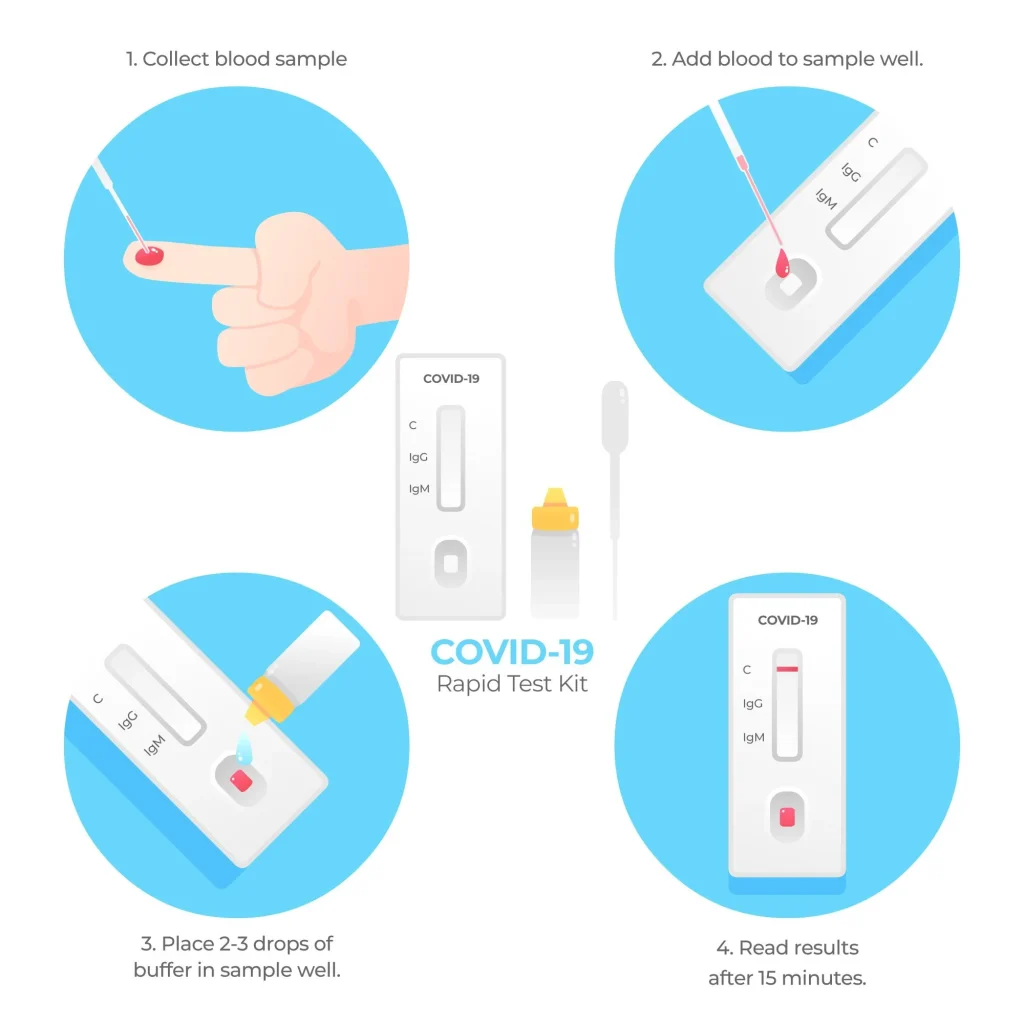
Rapid antigen tests are designed to provide fast results, but their accuracy depends on proper timing and correct sample collection. Following these simple tips can help reduce the risk of false results and ensure your test is as reliable as possible.
1. Get Tested at the Right Time
The timing of your test is one of the most important factors affecting accuracy. If you have symptoms, arrange testing as soon as possible. If you have been exposed to someone with COVID-19 but do not have symptoms, your healthcare provider may recommend waiting a few days before testing so the virus has enough time to become detectable.
Testing too early after exposure may produce a false-negative result.
2. Choose a Trusted Testing Provider
Having your test performed by trained healthcare professionals helps ensure the sample is collected correctly and processed according to manufacturer guidelines.
Professional testing also provides official documentation if required for work, travel, or other purposes.
3. Follow Pre-Test Instructions
Although fasting is not required for a rapid antigen test, always follow the instructions provided by your testing centre. If you have been advised to avoid eating, drinking, smoking, or using nasal sprays shortly before your appointment, follow these recommendations carefully.
Small preparation steps can help improve the quality of the sample collected.
4. Stay Still During the Swab
It is normal to feel slight discomfort when the swab is inserted into your nose. Try to remain calm and avoid moving during the procedure. Staying still allows the healthcare professional to collect a good-quality sample quickly and safely.
The entire swab collection usually takes only a few seconds.
5. Tell the Healthcare Professional About Your Symptoms
Before your test begins, explain when your symptoms started, whether you have recently travelled, or if you have been in close contact with someone who tested positive for COVID-19.
This information helps healthcare professionals determine whether additional testing, such as a PCR test, may be recommended.
6. Follow Instructions After the Test
Once your sample has been collected, wait for the recommended amount of time before interpreting the result. Reading the test too early or too late can produce inaccurate interpretations.
If you are tested at a healthcare facility, trained staff will explain your result and advise you on any next steps.
7. Repeat Testing When Necessary
A single negative rapid antigen test does not always rule out COVID-19. If symptoms continue, you develop new symptoms, or your healthcare provider recommends further testing, you may need to repeat the rapid test or have a PCR test performed.
Repeating testing at the appropriate time can improve diagnostic accuracy.
What Do the Coloured Lines Mean?
After the waiting period, the test cassette displays coloured lines that indicate the result. Understanding these lines helps you know what action to take next.
| Result | What You See | Meaning |
| Negative | One line at the Control (C) position | COVID-19 antigens were not detected at the time of testing. |
| Positive | One line at Control (C) and one line at Test (T) | COVID-19 antigens were detected. You may have an active infection. |
| Invalid | No Control (C) line appears | The test did not work correctly and should be repeated using a new test. |
Even a faint test line should generally be considered positive unless instructed otherwise by the manufacturer or healthcare provider.
If your result is unclear or invalid, speak with a healthcare professional for guidance.
What Should You Do After Your Result?
Your next steps depend on whether your result is positive, negative, or invalid. Understanding what each outcome means can help you make informed decisions and reduce the risk of spreading infection.
If Your Result Is Positive
A positive rapid antigen test usually means that COVID-19 antigens have been detected and you may have an active infection.
You should:
- Stay at home and avoid close contact with others.
- Follow the latest public health guidance in Cyprus.
- Inform your employer or school if required.
- Wear a mask if you must be around other people.
- Monitor your symptoms carefully.
- Contact your healthcare provider if symptoms become worse.
Seek immediate medical attention if you develop:
- Difficulty breathing
- Persistent chest pain
- Confusion
- Severe weakness
- Blue or grey lips or face
Your healthcare provider may also recommend a PCR test in certain situations to confirm the diagnosis.
If Your Result Is Negative
A negative result means that the test did not detect COVID-19 antigens at the time of testing. However, it does not completely rule out infection.
A false-negative result can occur if:
- You tested too early after exposure.
- The amount of virus in your body is still low.
- The sample was not collected properly.
If you continue to have symptoms or have had recent close contact with someone who tested positive, you should:
- Continue monitoring your health.
- Consider repeating the rapid test after 24 to 48 hours.
- Ask your healthcare provider whether a PCR test is appropriate.
Continue following good hygiene practices and local public health advice, even after a negative result.
If Your Result Is Invalid
An invalid result usually means the test did not function correctly.
This can happen if:
- The sample was not collected properly.
- The test device was damaged.
- The procedure was not followed correctly.
- The control line did not appear.
If your result is invalid, you should repeat the test using a new testing kit or visit a healthcare provider for professional testing.
Do not rely on an invalid result when making decisions about work, travel, or contact with others.
When Is a PCR Test Recommended?
A Polymerase Chain Reaction (PCR) test is considered the most accurate laboratory method for detecting an active COVID-19 infection. Unlike rapid antigen tests, PCR testing detects the virus’s genetic material, allowing it to identify infection even when the viral level is low.
Your healthcare provider may recommend a PCR test if:
- You have COVID-19 symptoms but your rapid test is negative.
- You need confirmation after a positive rapid antigen test.
- Your employer, healthcare provider, or travel destination requires PCR testing.
- You have been in close contact with someone diagnosed with COVID-19.
- You are at higher risk of severe illness due to age or underlying medical conditions.
Although PCR results usually take longer than rapid antigen tests, they remain the preferred option when the highest level of diagnostic accuracy is needed.
Where Can You Get a Rapid Test in Cyprus?
Rapid antigen testing is available throughout Cyprus at approved healthcare facilities and clinical laboratories. Many people search online for terms such as rapid test Limassol, rapid test Nicosia, rapid test Λεμεσός, σημεία rapid test Λευκωσία, or rapid test Λάρνακα when looking for nearby testing services.
Whether you need a rapid test Limassol today, are planning ahead for a rapid test αύριο, or are searching for ραπιντ τεστ σήμερα Κύπρος or τεστ κορονοιού σήμερα, choosing a trusted laboratory helps ensure accurate testing and reliable documentation.
Nonis Clinical Laboratory offers professional rapid COVID-19 testing services across Cyprus. With experienced healthcare professionals, quality testing procedures, and convenient locations, Nonis provides dependable testing for travel, work, school, and personal health needs.
FAQs
How accurate is a rapid antigen test?
A rapid antigen test is generally accurate when used correctly and at the right time. It works best when a person has COVID-19 symptoms or when the viral load is high. While it provides quick results, it is not as sensitive as a PCR test.
Several factors can affect accuracy, including:
- The timing of the test after exposure
- Proper sample collection
- Following the manufacturer’s instructions
- The amount of virus present in the body
If you receive a negative result but continue to have symptoms or have recently been exposed to COVID-19, your healthcare provider may recommend repeating the test or having a PCR test for confirmation.
Can I eat or drink before a rapid test?
Unlike some laboratory blood tests, rapid antigen tests do not usually require fasting. You can generally eat and drink as normal before your appointment.
However, if your test involves a throat swab, some healthcare providers may advise avoiding food, drinks, smoking, chewing gum, or brushing your teeth for a short period before sample collection. Following the instructions provided by your testing centre helps ensure the best possible sample is collected.
When should I get tested after exposure to COVID-19?
If you have been in close contact with someone who has COVID-19, testing immediately may not always provide an accurate result because the virus may not yet be detectable.
The best time to test depends on:
- When the exposure occurred
- Whether you have developed symptoms
- Your healthcare provider’s advice
- Current public health recommendations
If your first test is negative but symptoms develop later, repeat testing or a PCR test may be recommended.
Can I travel using a rapid antigen test?
Some countries and airlines accept professionally administered rapid antigen tests, while others require a PCR test.
Before booking your appointment, always check:
- Your destination country’s entry requirements
- Airline policies
- Transit country requirements
- The validity period of your test result
- Whether an official laboratory certificate is required
Travel regulations can change, so checking the latest requirements before departure is important.
Conclusion
Rapid antigen testing remains an effective way to identify COVID-19 infections quickly, especially when used at the right time and performed correctly. Understanding how the test works, preparing properly before your appointment, and knowing how to interpret your results can help you make informed decisions about your health and protect those around you.
Whether you need testing because of symptoms, recent exposure, work requirements, or travel, choosing a trusted testing provider helps ensure accurate results and a smooth experience. If additional confirmation is needed, your healthcare provider may recommend a PCR test based on your symptoms, medical history, or testing requirements.
By staying informed and following current health guidance, you can help reduce the spread of infection while protecting yourself, your family, and your community.